


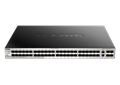
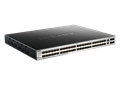
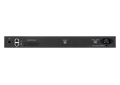
Lite Layer 3 stackable managed switches for enterprise and metro Ethernet access networks
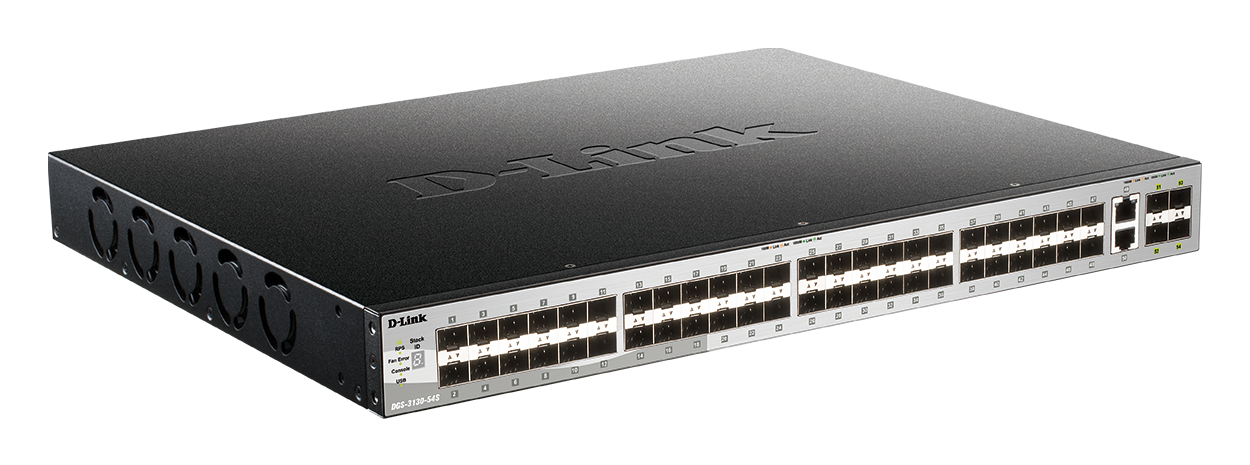

Connect to areas of your network at 10G speeds, and reach even further distances with fibre optic cabling.

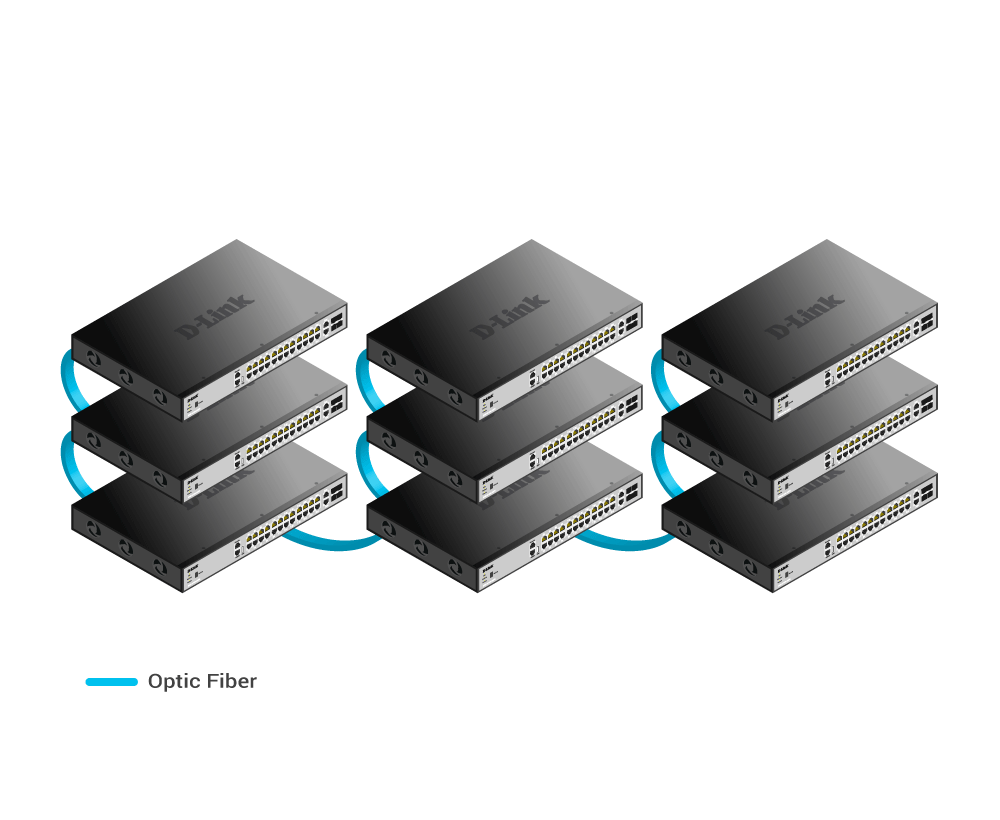
Up to 9 units per stack1, with a maximum of 324 ports, and up to 80GB of bandwidth.

Such as flow control, link aggregation, Ethernet Ring Protection Switching (ERPS), Spanning Tree Protocols, Loopback Detection, IGMP/MLD Snooping.

Including up to 128 IP Interfaces, IGMP Filtering, Neighbor Discovery Protocol (ND), ARP Proxy, VRRP.

Route Layer 3 traffic between switches, even if they're segmented in VLANs.

Supports a full industry standard Command-Line Interface for system management.

Risk-free configuration testing.

They feature multiple authentication mechanisms such as 802.1X, Web-based Access Control (WAC), and MAC-based Access Control (MAC) for strict access control and an easy deployment. After authentication, individual policies such as VLAN membership, Quality of Service (QoS) policies, and ACL rules can be assigned to each host.
Support for the Microsoft® NAP policy enforcement allows you to protect network assets from compromised computers by enforcing compliance with network health policies.
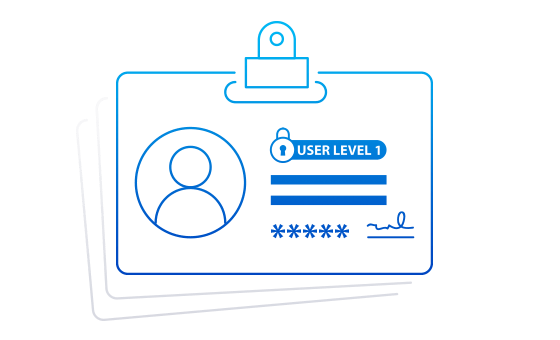
They feature multiple authentication mechanisms such as 802.1X, Web-based Access Control (WAC), and MAC-based Access Control (MAC) for strict access control and an easy deployment. After authentication, individual policies such as VLAN membership, Quality of Service (QoS) policies, and ACL rules can be assigned to each host.
Support for the Microsoft® NAP policy enforcement allows you to protect network assets from compromised computers by enforcing compliance with network health policies.


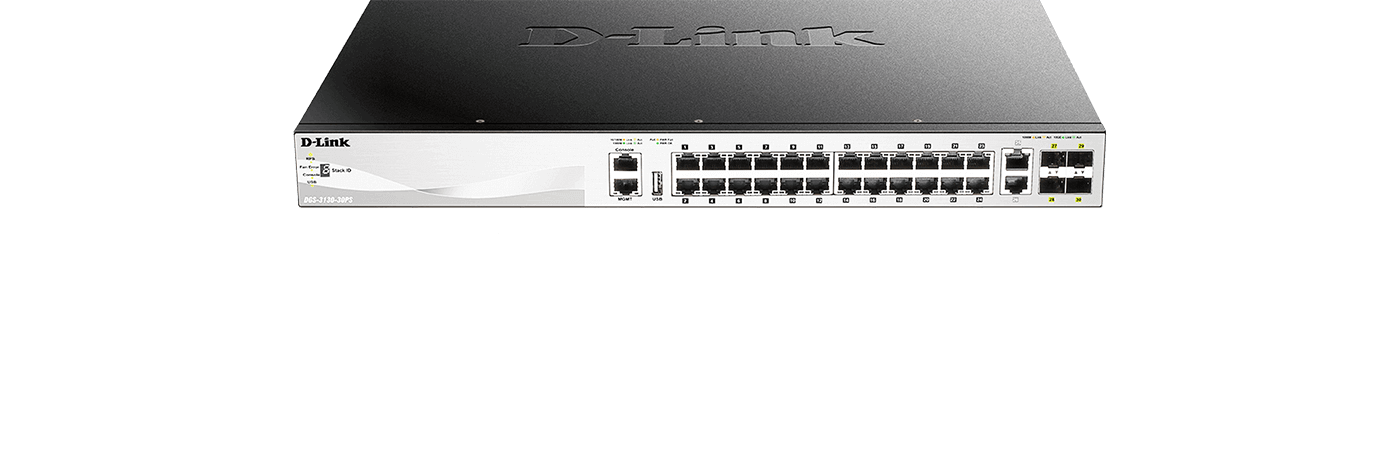
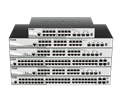
· 24 x 10/100/1000BASE-T
· 2 x 10GBASE-T
· 4 x 10G SFP+

· 24 x SFP
· 2 x 10GBASE-T
· 4 x 10G SFP+

· 24 x 10/100/1000BASE-T PoE
· 2 x 10GBASE-T
· 4 x 10G SFP+

· 48 x 10/100/1000BASE-T
· 2 x 10GBASE-T
· 4 x 10G SFP+

· 48 x SFP
· 2 x 10GBASE-T
· 4 x 10G SFP+

· 48 x 10/100/1000BASE-T PoE
· 2 x 10GBASE-T
· 4 x 10G SFP+
|
Type
|
Managed |
|---|---|
|
Layer
|
Layer 2+ Layer 3 |
|
Main type of ports
|
1000BASE-T Gigabit Ethernet SFP |
|
Type of Uplink Ports
|
10GbE SFP+ 10GBASE-T |
|
Number of ports
|
16 to 30 ports 48 to 54 ports |
|
Switching capacity
|
168 Gbps 216 Gbps |
|
PoE options
|
802.3af 802.3at |
|
Number of PoE ports
|
24 48 |
|
PoE power budget
|
See datasheet See datasheet |
|
802.3az Energy-Efficient Ethernet support
|
Supported
|
|
Form factor
|
Rackmountable |
|
Physical stacking
|
Up to 20 Gbps bidirectional bandwidth Up to 9 devices |
|
Virtual stacking (up to 32 devices)
|
Supported
|
|
Jumbo frame
|
Supported
|
|
Cable diagnostics
|
Supported
|
|
MAC address
|
16K |
|
Spanning Tree Protocol
|
802.1D STP 802.1s MSTP 802.1w RSTP |
|
Ethernet ring protection switching (ERPS)
|
Supported
|
|
Link aggregation
|
802.3ad |
|
VLAN group (max static)
|
4K |
|
VLAN type
|
GVRP MAC-based Port-based Protocol-based |
|
Advanced VLAN
|
Asymmetric VLAN ISM VLAN Super VLAN Voice VLAN |
|
IP interfaces
|
16 |
|
Static route for IPv4/IPv6
|
IPv4 - 1K IPv6 - 512 |
|
RIP v1/v2
|
Supported
|
|
RIPng
|
Supported
|
|
Number of QoS queues per port
|
8 |
|
CoS based on contents
|
Supported
|
|
Bandwidth control
|
8 Kbps minimum granularity |
|
Three colour marker
|
8 Kbps minimum granularity |
|
ACL type
|
Egress Ingress VLAN-based |
|
ACL based on packet contents
|
Supported
|
|
Time-based ACL
|
Supported
|
|
Encryption protocol supported
|
SSH SSL (v1/v2/v3) |
|
IP-MAC-port binding (IMPB) / Smart Binding
|
Supported
|
|
ARP spoofing
|
Supported
|
|
BPDU attack protection
|
Supported
|
|
802.1X access control
|
Supported
|
|
Microsoft NAP support
|
Supported
|
|
RADIUS/TACACS+ authentication
|
Supported
|
|
SNMP (v1/v2c/v3)
|
Supported
|
|
RMON v1/v2
|
Supported
|
|
sFlow
|
Supported
|
|
LLDP
|
Supported
|
|
ICMPv6
|
Supported
|
|
802.3ah
|
Supported
|
|
Stacking
|
Physical Virtual |
|
Actual performances may vary due to settings, cabling, temperature, network configuration, interface, device compatibility, environmental and on-site conditions, and other similar factors. References to power capability, signal or processing speed, signal range or distance, data encryption, storage capacity, display properties, or other performance metrics are based on optimal conditions derived from industry standards and provided for informational purposes only. Specifications may be subject to change without prior notice. |
|
1 When stacking the DGS-3130-30TS/30S/30PS models, the stacking cost is 1 per unit so the maximum units per stack is 9. When stacking the DGS-3130-54TS/54S/54PS models, the stacking cost is 2 per unit so the maximum units per stack is 6. When stacking different models in the same stack, switches can be stacked up to a maximum of 12 stacking cost per stack. For example: 2 x DGS-3130-30TS (2 stacking cost) + 2 x DGS-3130-30S (2 stacking cost) + 4 x DGS-3130-54TS (8 stacking cost) consumes a total stacking cost of 12 (2+2+8).